
Overcoming Homesickness: Mental Health Strategies for Relocators
Share this
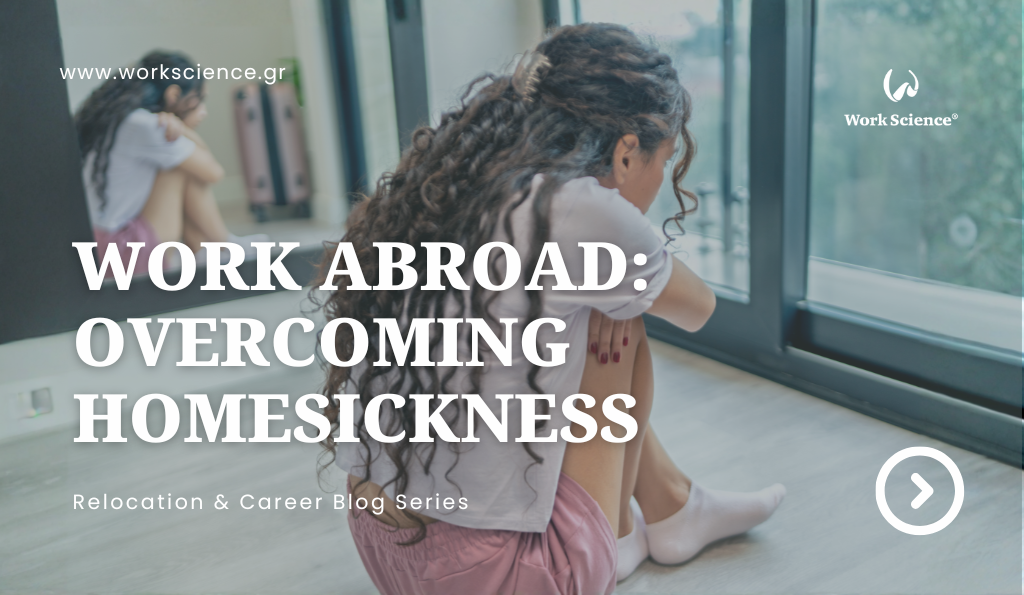
Relocating to a new city or country for work, study, or adventure is a big life change—one that brings the thrill of new beginnings but often stirs up a sense of loss and longing for home. Homesickness is a normal, human reaction to leaving behind familiar surroundings, routines, and loved ones. But if not addressed, it can impact your mental health, daily functioning, and overall experience in your new environment. Fortunately, with understanding, self-care, and proactive strategies, you can manage homesickness and nurture your mental well-being while settling into your new life.
Disclaimer: Please note that the content of this article is for informational purposes only and not intended to serve as personal career counselling. While our team comprises certified career counsellors, the insights presented are generalised and may not apply to every individual’s unique circumstances. We encourage you to seek personalised career counselling for advice tailored to your own situation.
1. Acknowledge How You Feel
Recognising and accepting your feelings is the first step. It is natural to miss family, friends, foods, language, or even certain places and routines. Trying to suppress homesickness often makes it worse. Instead, give yourself permission to feel sad or anxious, and remind yourself that these feelings are temporary and an expected part of change.
2. Maintain Connections with Home
Keep in touch regularly with your support system back home. Schedule video calls, send messages, share updates, or even plan virtual movie nights or celebrations. Staying connected provides comfort and a valuable emotional safety net, especially in the early months when everything feels unfamiliar.
However, be mindful not to spend all your time looking back. Strive for balance by also embracing your new surroundings and opportunities.
3. Create New Routines and Traditions
One way to ease the discomfort of change is to establish new daily routines in your new location. Whether it’s joining a gym, having coffee at a favorite local spot, or setting aside a specific time for self-care each evening, routines provide stability and comfort. Integrate aspects of your old life into your new one, such as cooking your favorite meals from home or celebrating important holidays in your own way.
4. Get Involved Locally
Take small steps to immerse yourself in the local community. Attend events, join clubs, volunteer, or participate in language classes if you are in a new country. Meeting people and forming new friendships will not only broaden your horizon but also help replace isolation with a sense of belonging. Remember, building a new support network takes time—be patient with yourself.
5. Take Care of Your Body and Mind
Physical and mental well-being are closely intertwined. Make time for regular exercise, eat nourishing meals, get enough sleep and engage in stress-reducing activities like yoga, meditation, or journaling. If you notice persistent sadness, anxiety, or withdrawal, do not hesitate to seek support from a local counselor, therapist, or online mental health resource.
6. Stay Curious and Open-Minded
Instead of focusing on what you’ve lost, try to approach your new environment as an explorer. Make a list of places to visit, foods to try, or cultural activities to experience. Staying curious shifts your outlook from one of loss to one of growth and discovery.
7. Set Realistic Expectations
Adjustment—social, professional and emotional—takes time. Don’t expect to feel “at home” in just a few weeks. Celebrate small victories, accept setbacks and acknowledge your progress. Homesickness ebbs and flows, but as you build new memories and connections, its intensity will fade.
Conclusion
The pain of homesickness is real, but it’s also manageable. By accepting your feelings, fostering new connections, establishing routines and practicing self-care, you give yourself the best chance at a rewarding and healthy transition. Remember, most expats and relocators have been in your shoes; with time, patience and compassion for yourself, your new location can evolve from a place of longing to a place you proudly call home.