The Impact of Relocation on Work-Life Balance
Share this
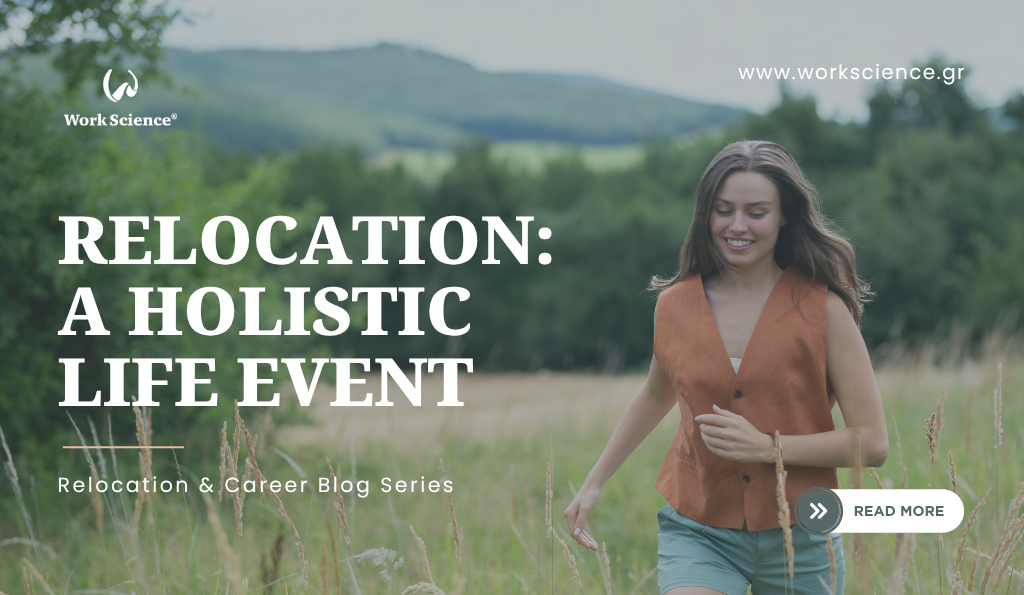
Relocating for work is an exciting chapter in any professional’s journey—a chance to advance your career, embrace new cultures, and discover hidden strengths. However, amid the thrill of starting fresh, it’s easy to overlook the profound impact that relocation can have on your work-life balance. Shifting routines, disruption of social networks, and the necessity to adapt to a new environment can challenge even the most resilient professionals.
Disclaimer: Please note that the content of this article is for informational purposes only and not intended to serve as personal career counselling. While our team comprises certified career counsellors, the insights presented are generalised and may not apply to every individual’s unique circumstances. We encourage you to seek personalised career counselling for advice tailored to your own situation.
Navigating Change: The Early Days
The initial phase of relocation is marked by transition and uncertainty. From finding suitable housing to setting up a new workspace and navigating unfamiliar commutes, daily logistics suddenly take up more time and energy.
Adjusting to a new job or workplace culture adds another layer of complexity. Expectations and norms—like working hours, communication styles, and attitudes to flexibility—can differ greatly by region or country. For example, a culture that values presenteeism (being visibly at work, even outside of core hours) can make it more difficult to set boundaries after a move.
Challenges to Work-Life Balance
1. Blurred Boundaries
In the midst of relocation, lines between work and personal time can blur. You may feel pressure to prove yourself to a new team, respond to every email, or take on extra projects—potentially at the expense of needed downtime.
2. Disrupted Support Systems
Moving often means leaving trusted friends, family, and routines behind. This lack of immediate social support can heighten stress and loneliness, making it harder to decompress after work.
3. Adjustment Fatigue
Adapting to new environments outside of work—finding groceries, accessing healthcare, setting up utilities—requires time, patience, and emotional energy. When combined with the demands of a new role, it can contribute to faster burnout if not managed carefully.
Strategies for Restoring Balance
Despite the challenges, relocation can be a launching pad for healthy work-life habits, offering the opportunity to make a fresh start with greater intention. Here are key strategies to recalibrate your balance:
1. Set Clear Boundaries Early
Establish “work hours” and personal time from the outset, and share these with your employer and team. Practice unplugging from devices and work emails outside of these hours, even if you feel pressure to be constantly available during your transition.
2. Prioritise Self-Care
Carve out moments for activities that help you recharge—a walk in your new neighborhood, cooking a meal, or practicing a hobby. These rituals will restore normality and anchor your days.
3. Build New Support Networks
Seek out local groups, clubs, or expat communities, as well as colleagues with shared interests. Digital communities—such as relocation forums or social media groups—can also help you feel less isolated and more at home.
4. Communicate Needs Openly
Don’t hesitate to share relocation challenges with your employer. Many organizations are willing to provide flexible arrangements or resources to ease the transition. Open conversation can prevent misunderstandings and demonstrate your proactive nature.
5. Take it One Step at a Time
Accept that adjusting will take weeks or months, not days. Celebrate small wins: finding your favorite coffee shop, navigating public transport, or having a successful work meeting.
Long-Term Positive Impacts
When approached thoughtfully, relocation can enhance work-life balance in meaningful ways. New environments often prompt you to reconsider unhealthy work habits, experiment with different routines, and discover new passions outside work. By building resilience and adaptability, you not only handle new stressors better, but also develop a work-life balance that’s more responsive and aligned with your changing needs.
Conclusion
Relocation is more than just a professional move—it’s a holistic life event with real impact on both work and personal well-being. By setting boundaries, nurturing self-care, and seeking support, you can turn the disruption of relocation into a springboard for a more sustainable, fulfilling work-life balance. Remember: finding equilibrium after a move takes time, experimentation, and compassion for yourself. With each new challenge, you’re also building lasting skills that will serve you long after you’ve unpacked the last box.