Settling In: Tips for Your First 90 Days Abroad
Share this
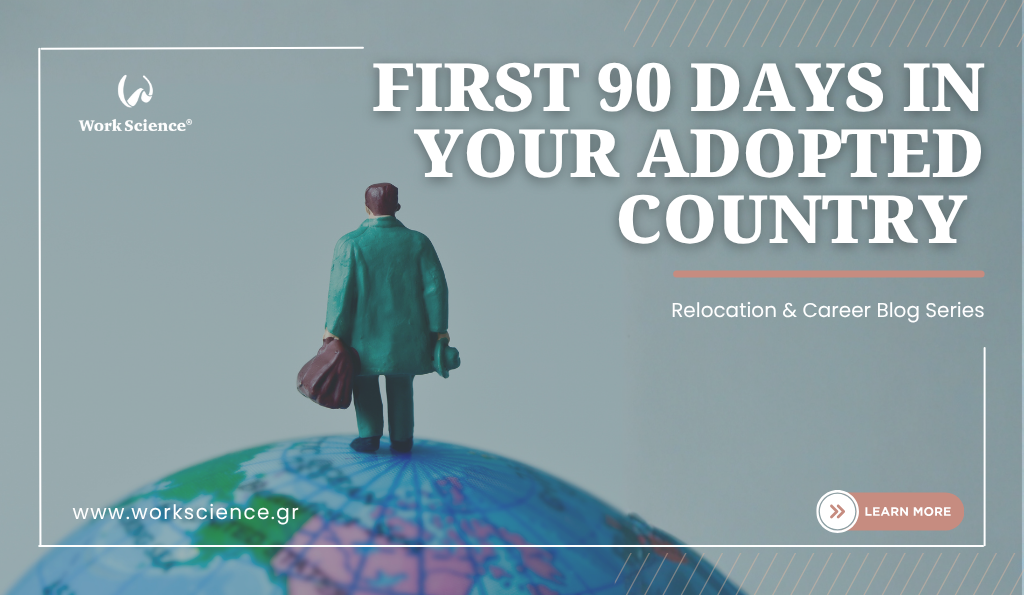
The first 90 days abroad can be the most exciting—and sometimes the most challenging—of any relocation journey. Whether you have moved for work, studies, or a fresh start, these early months are crucial for building confidence, comfort, and connections in your new environment. Here are essential tips to help you make the most of this adjustment period and set the stage for long-term happiness and success.
Disclaimer: Please note that the content of this article is for informational purposes only and not intended to serve as personal career counselling. While our team comprises certified career counsellors, the insights presented are generalised and may not apply to every individual’s unique circumstances. We encourage you to seek personalised career counselling for advice tailored to your own situation.
1. Prioritise Practicalities Early
From your first day, tackle administrative and practical matters so you can relax into daily life later. Register your residence (if required), set up a local bank account, get a local SIM card, and organise access to healthcare. If you are working, clarify your work visa and employment paperwork. The quicker you handle these essentials, the less likely you’ll encounter bureaucratic headaches later.
2. Create a Comfortable Home Base
Your living space can be your sanctuary amid the whirlwind of new experiences. Spend time making your accommodation feel like home: unpack, decorate with items that bring comfort and explore your immediate neighborhood for amenities like grocery stores, pharmacies and transportation. The sense of familiarity will help ground you during the emotional ups and downs of relocation.
3. Start Building Your Network
Making local connections is key to feeling at home. Introduce yourself to neighbors, coworkers, or classmates. Use apps like Meetup, InterNations, or Eventbrite to find gatherings for expats and locals with shared interests. Don’t hesitate to join clubs, attend workshops, or volunteer. These initiatives not only combat loneliness but also help you understand your new community and culture.
4. Keep Communication Open With Home
Homesickness is normal, especially in the adjustment phase. Stay connected with family and friends through regular calls and messages. Sharing your experiences (the highs and lows!) can offer comfort and perspective. At the same time, be careful not to retreat fully into your old world. Balance virtual check-ins with real-life immersion in your new surroundings.
5. Develop New Routines
Structure brings stability. Within your first few weeks, establish some daily and weekly routines—whether it’s morning walks, language classes, Sunday market visits, or favorite coffee shops. Mixing in new habits with comforting rituals from home can ease your transition and cultivate a sense of belonging.
6. Embrace Cultural Learning
Approach your new environment as a curious explorer. Learn basic phrases of the local language, sample local foods, and ask questions about traditions or etiquette you don’t understand. Cultural missteps are part of the process—treat them as learning opportunities, not failures. The more openly you engage, the faster you will adapt and feel respected.
7. Be Patient With Yourself
Every relocation journey has both highlights and hurdles. You might feel isolated one day and excited the next. Give yourself permission to feel those ups and downs—cultural adaptation takes time. Celebrate small victories, like navigating public transit or making a new friend, as important milestones in your journey.
8. Seek Support When Needed
If you find yourself struggling with stress, anxiety, or persistent homesickness, reach out. Connect with expat support groups, your employer’s HR, or mental health professionals who understand the challenges of international moves. Seeking support is a sign of strength and can make a world of difference in how you settle in.
Conclusion
Your first 90 days abroad will shape your entire relocation experience. By focusing on practical arrangements, proactively meeting people, embracing new routines and practicing patience, you will lay the foundations for long-term fulfillment in your new home. Remember, settling in is more than unpacking boxes—it’s about creating a life. With curiosity, resilience and an open mind, you’ll find yourself not just surviving, but truly thriving, in your adopted country.