Remote Work as a Bridge: Testing the Waters Before Moving Abroad
Share this
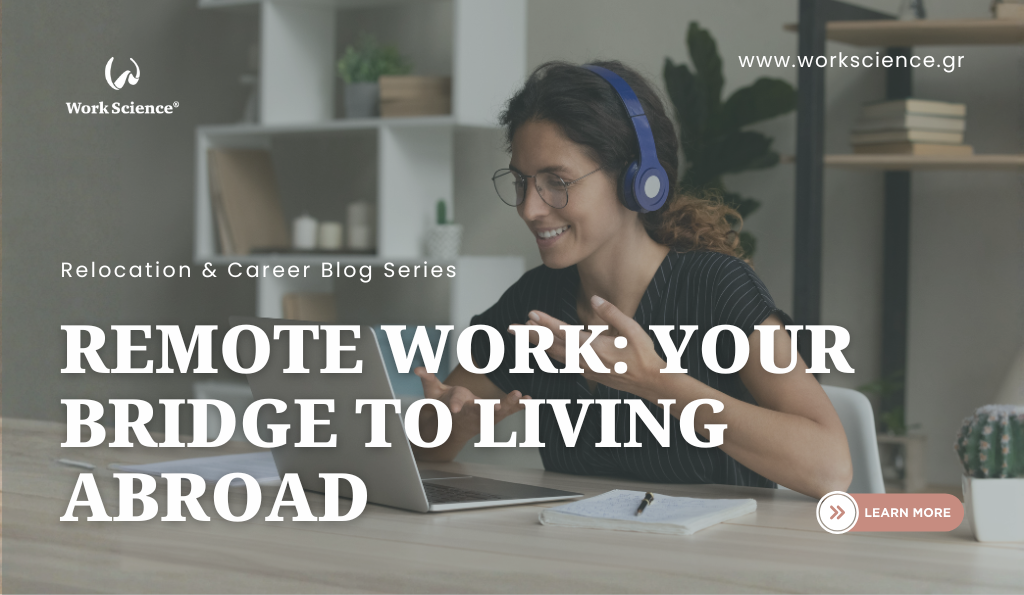
Remote work has transformed from a trend into a strategic tool for those considering a move abroad. For anyone dreaming of a new life in another country but feeling uncertain about such a leap, remote work can serve as a practical and low-risk bridge to test the reality of international living before making permanent decisions.
Disclaimer: Please note that the content of this article is for informational purposes only and not intended to serve as personal career counselling. While our team comprises certified career counsellors, the insights presented are generalised and may not apply to every individual’s unique circumstances. We encourage you to seek personalised career counselling for advice tailored to your own situation.
The Rise of Remote Work as a Global Mobility Tool
Since 2020, remote work has exploded globally, with millions leveraging flexible roles across borders. In 2025, this trend remains strong as digital infrastructure and company policies support an increasingly mobile workforce. Many successful relocators recommend starting their expat journeys by working remotely from their target destinations for a few months to experience real life—housing, community, bureaucracy, and even time zones—before packing up for good. This test period minimizes regrets, financial mishaps, or cultural misfits later on [Absolutely Lucy](https://absolutelylucy.com/digital-nomad-jobs/).
Benefits of Using Remote Work to Test Expat Life
1. Real-World Experience Without Irreversible Commitment
Remote work lets you immerse yourself in a new culture and community while maintaining your income and professional anchor. You aren’t forced to find a new job immediately, which alleviates much of the conventional expat stress.
2. Financial and Logistical Flexibility
With a remote job, you keep earning in your home or international currency, reducing financial risks. You can also test out neighborhoods, rental options, and local living costs. If things don’t go as planned, you can return home or move elsewhere without the burden of quitting a job or selling property first [Business Insider](https://www.businessinsider.com/paid-to-move-oklahoma-tulsa-worth-it-remote-worker-2025-8).
3. Personal and Family Adjustment
Living and working abroad on a temporary basis reveals how you and your family adjust. You quickly discover practical issues: navigating healthcare, schooling for kids, or building a social network. These insights help adjust expectations and prepare better for a long-term move.
4. Enhanced Resume and Digital Skills
Adapting to unfamiliar settings while keeping up with remote work deadlines boosts your adaptability, digital literacy, and problem-solving skills—qualities valued by global employers and clients.
How to Use Remote Work Effectively Before Moving Abroad
1. Pick Your Test Destination Wisely
Choose places aligned with your long-term relocation goals, considering visa regulations for remote workers, cost of living, and time zone compatibility with your employer or clients.
2. Set Clear Parameters
Commit to a timeframe (e.g., 2–6 months) and specific goals: evaluating local amenities, lifestyle fit, networking opportunities, and family well-being. Document everyday challenges and victories.
3. Tackle Bureaucracy Head-On
Check visa requirements, tax implications, health insurance coverage, and internet reliability before you go. Many countries now offer “digital nomad” or remote work visas with clear guidelines [Go Overseas](https://www.gooverseas.com/blog/guide-to-moving-abroad).
4. Practice Integration
Actively seek out meetups, local classes, or language exchanges. Don’t fall into the “expat bubble”—get as much local experience as possible. This will help you gauge if you’re comfortable thriving outside your comfort zone.
5. Maintain Backup Plans
Ensure your employment is truly portable in case you need to return suddenly. Maintain strong ties with your home country’s support systems (banking, healthcare, tax, and family).
Real-Life Success Stories
In recent years, many remote workers have used this strategy for moves to destinations like Portugal, Mexico, and Thailand. For example, U.S. professionals have spent months working from Lisbon or Bangkok before fully committing to local leases or enrolling children in schools. Others participate in programs like Tulsa Remote, which incentivize remote workers to test living in new communities with little long-term risk [Business Insider](https://www.businessinsider.com/paid-to-move-oklahoma-tulsa-worth-it-remote-worker-2025-8).
Conclusion
Remote work as a bridge to relocation is empowering, cost-effective, and realistic. Instead of making a leap of faith, you can experience international living firsthand, gain invaluable insight, and make an informed, confident choice. For anyone considering a future abroad, combining remote work with a time-limited trial in your desired country should be your first step toward building the life you want.