Relocating Alone vs. With Family: How to Make the Right Choice
Share this
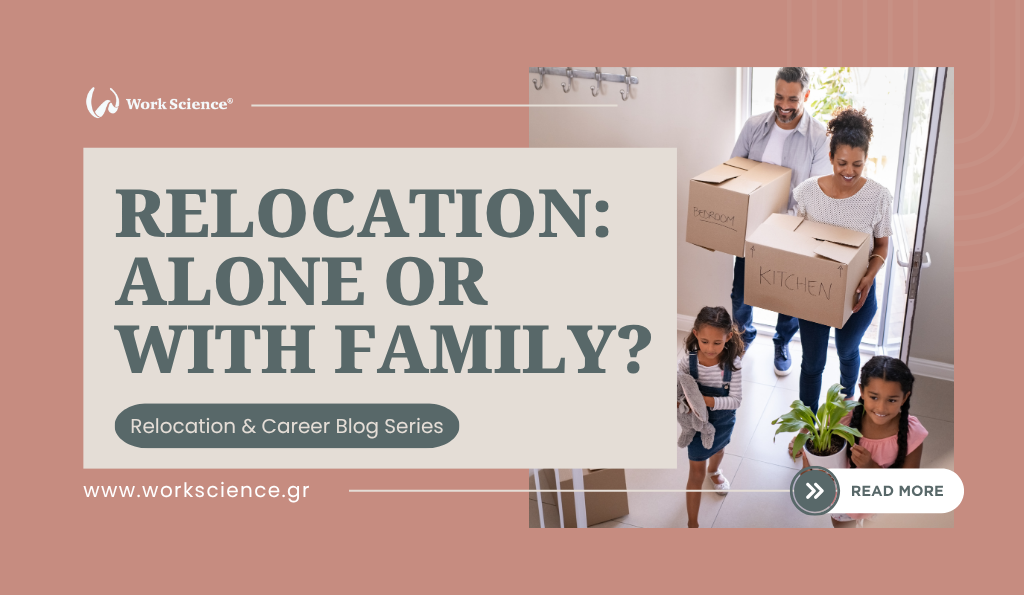
Choosing whether to relocate alone or with your family is one of the most personal, impactful decisions you’ll make in your professional life. It affects not only your career trajectory but also your relationships, well-being, and overall satisfaction with your move. Here, we’ll explore the pros and cons of both options—and the key decision factors to consider—so you can make your move with confidence.
Disclaimer: Please note that the content of this article is for informational purposes only and not intended to serve as personal career counselling. While our team comprises certified career counsellors, the insights presented are generalised and may not apply to every individual’s unique circumstances. We encourage you to seek personalised career counselling for advice tailored to your own situation.
Relocating Alone: Independence Meets Opportunity
Pros
1. Faster, Easier Adjustment
Moving alone often simplifies logistics—fewer travel arrangements, less paperwork, quicker housing choices. You have the freedom to adapt to your new environment, focus fully on your new role, and build a social network on your own terms. Many professionals find solo relocation an excellent opportunity for personal growth and self-discovery, unencumbered by family concerns.[21stcenturyrelocations]
2. Financial Flexibility
Relocating solo can cost significantly less, as you only account for your own expenses—accommodation, healthcare, and daily living. This financial edge allows a buffer to weather unforeseen costs or to explore the new city more freely.
3. Trial Period for Family Move
Some professionals choose to “test the waters” first. Living alone allows you to determine if the job, company culture, or city suits you before committing your family to the move. This trial period can help you assess local schools, neighborhoods, and amenities first-hand.
Cons
1. Potential Loneliness and Isolation
Adjusting to a new city without established support can feel overwhelming. Building a social network takes time, and being far from family can amplify feelings of isolation—especially in the early months.[Quora]
2. Extra Responsibilities
You must manage all practicalities—housing, utilities, paperwork—alone, which can be daunting. If you fall ill or face setbacks, there’s no immediate family support.
3. Long-Term Strain
Prolonged separation from family can strain relationships and lead to missed milestones, both for you and your loved ones.
Relocating With Family: Shared Adventure, Shared Challenges
Pros
1. Emotional Support and Stability
Having your partner, children, or loved ones with you provides daily support, eases loneliness, and can strengthen bonds. For children, seeing relocation as a family adventure can instill resilience and adaptability.
2. Smoother Long-Term Integration
Families that move together can embed themselves more fully into the new community, building social circles and routines alongside you. Children are often more likely to adapt and flourish when both parents are present for guidance and encouragement.
3. Work-Life Balance
Being together allows you to focus on your job, knowing your family is safe and settled. This can reduce stress and increase long-term job satisfaction—contributing positively to your performance.[Harvard Kennedy School]
Cons
1. Increased Cost and Complexity
Moving a family involves significant expense and logistical planning: visas, school registrations, healthcare, and housing suitable for all. The potential for culture shock and adjustment issues multiplies with each person.
2. Spousal/Partner Career Sacrifices
Partners may have to put careers on hold or accept less suitable jobs, potentially leading to dissatisfaction or stress.[21stcenturyrelocations]
3. Children’s Adaptation
Children must adjust to new schools, languages, and social circles, which may cause anxiety and require additional time and support.
Decision Factors: What Should Guide You?
- Purpose and Timeframe: Is the move permanent or temporary? For short-term assignments, solo relocation may make more sense.
- Career vs. Family Needs: Consider if this move will benefit everyone, and how potential sacrifices will be balanced.
- Family Readiness: Are your spouse and children open to adventure, or do they need more time to process? Move only when the majority are emotionally prepared.
- Support Systems: Do you have friends, extended family, or expat communities at your destination?
- Financial Situation: Can you comfortably cover all costs, including potential emergencies?
In conclusion, there is no single right answer—each path has trade-offs. The most successful relocations result from honest conversations, practical planning, and a willingness to adapt. Whatever you choose, think long-term and communicate openly with your loved ones; their support (whether near or far) will be crucial to your success.