Preparing Kids for a New School and Culture: Parental Toolkit
Share this
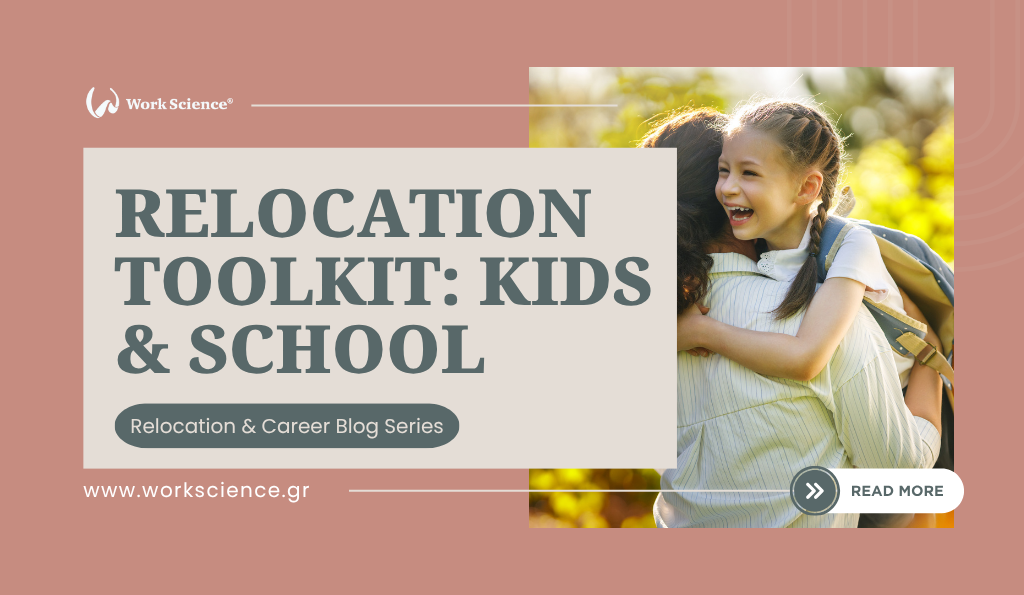
Relocating to a new country or city means a whole new chapter for your family, especially for your children. Changing schools and adapting to an unfamiliar culture can be both exciting and daunting for kids of all ages. But with the right preparation and support, parents can ease this transition and empower children to thrive—academically, socially, and emotionally—in their new environment. Here’s your essential parental toolkit to ensure success.
Disclaimer: Please note that the content of this article is for informational purposes only and not intended to serve as personal career counselling. While our team comprises certified career counsellors, the insights presented are generalised and may not apply to every individual’s unique circumstances. We encourage you to seek personalised career counselling for advice tailored to your own situation.
Step 1: Start the Conversation Early
Begin talking to your children about the move as far in advance as possible. Share age-appropriate information about the new country, city, and school. Use positive language but also acknowledge any worries, making it clear that mixed feelings are perfectly normal. Encourage children to express their concerns, ask questions, or share what excites them.
Introduce practical elements: show photos, watch videos, or explore maps together. If you know the school’s name, look up its website or social media. This makes the destination seem less abstract and can help children imagine their new life.
Step 2: Explore the Culture Together
Learning about a new culture can be a family adventure. Read books, watch films from or about the destination, try local recipes, and even start learning a few basic phrases of the local language. Role-play common social situations (greetings, making friends) at home. Discuss cultural similarities and differences in a way that sparks curiosity, not fear.
Understanding both the fun and the practical sides of cultural adaptation prepares children for real-world situations and helps foster open-mindedness.
Step 3: Transition Routines and Academic Expectations
As much as possible, find out about the new school’s routine, curriculum, uniform, grading system, and academic calendar. Discuss what might be different: class sizes, teaching styles, extracurriculars, homework expectations, or even lunchtime traditions.
If your child is changing language environments, consider arranging tutoring or extra support before and after the move. For younger children, daily routines (bedtime, reading together, weekend activities) offer comfort and consistency amid broader changes.
Step 4: Prepare for Emotional Ups and Downs
Transitions are rarely smooth for everyone, and there may be moments of sadness, anger, anxiety, or even resistance. Normalize these feelings. Let your child know it’s okay to miss friends and feel lost at first.
Share your own feelings and model healthy coping strategies: journaling, exercise, humor, deep breathing, or connecting with loved ones back home. If your child continues to struggle, do not hesitate to seek guidance from the school’s counselor or a child psychologist.
Step 5: Build Connections and Support
Before the move, reach out to your new school’s administration. See if they can connect you with parent or student ambassadors for firsthand insights. After arrival, encourage your child’s involvement in sports, clubs, or activities to help build new friendships.
Arrange video calls with friends from your old home so your child stays connected to their roots while growing new wings. If possible, organize playdates or outings with future classmates to break the ice before “day one.”
Step 6: Empower with a Growth Mindset
Remind your child that adapting to change takes time and effort—and that mistakes or awkward moments are simply part of learning. Praise resilience, curiosity, and small successes. Frame challenges as opportunities to grow and discover new strengths.
Celebrate milestones: the first day, first friend, first parent-teacher meeting. Reflect on progress regularly as a family, reinforcing pride and encouragement.
Conclusion
Moving to a new school and culture might seem overwhelming at first, but with empathy, structure, and patient guidance, you can turn this experience into a positive adventure. By preparing your child emotionally and practically—and by walking alongside them as they take brave new steps—you empower them not only for this transition, but for the many changes life brings. Together, you’ll build confidence, adaptability, and a spirit of exploration that lasts well beyond the first school bell.