How Children Adjust to New Schools at Different Ages During Relocation
Share this
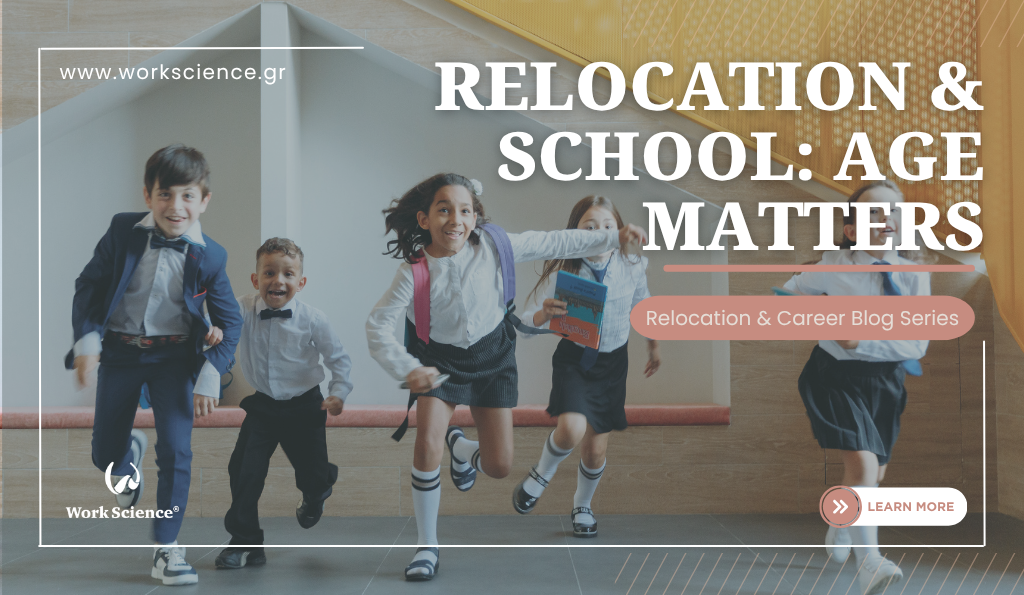
Adjusting to a new school is one of the most significant challenges children face during a family relocation—and age plays a critical role in how well kids adapt academically, socially, and emotionally. Each development stage presents unique needs, opportunities, and stressors for children entering new educational environments.
Disclaimer: Please note that the content of this article is for informational purposes only and not intended to serve as personal career counselling. While our team comprises certified career counsellors, the insights presented are generalised and may not apply to every individual’s unique circumstances. We encourage you to seek personalised career counselling for advice tailored to your own situation.
Early Childhood (Ages 3–6): Adaptation Through Routine
Young children are incredibly adaptable, yet also deeply reliant on routine and familiarity. When moving at this age, they may not fully grasp the reasons for relocation or the permanence of the change. Their adjustment is often reflected through behavior—sleep disruption, clinginess, or regression in acquired skills are common. Because pre-schoolers form strong attachments to caregivers rather than peers, a secure and calm home environment smooths their transition. New school routines and warm, responsive teachers are especially important. Maintaining consistent home routines and providing clear, simple explanations help children feel safe and settled after a move. [EURES]
Primary School Age (Ages 6–11): Friendships and Belonging
For children in elementary school, peer relationships and a sense of belonging become increasingly central. At this stage, kids are aware of loss—leaving friends, familiar teachers, and routines at their old school. They may grieve these changes, displaying sadness, anger, or withdrawal. Social integration in the new school is critical for adjustment; joining after-school clubs, sports, or activities can help children make new friends and feel included. Academic differences between schools may also affect this group—a new curriculum or language barrier can add to the stress of transition. Ongoing communication with both the new school and past teachers (when possible) can smooth the academic adjustment, and parental support in homework and projects helps children regain confidence. [JK Moving]
Preteens and Early Adolescents (Ages 11–14): Identity and Independence
Preteens face unique challenges when moving, since this is a stage where identity formation and peer acceptance are top priorities. Adolescents may struggle with the loss of established social groups and activities, feeling “different” or out of place. At the same time, the desire for independence can make them reluctant to lean on parents for support. Academic adjustment at this age may be complicated by differences in curriculum, expectations, or grading systems, potentially leading to self-doubt or decreased motivation. Schools that offer orientation days, peer mentors, or buddy systems are invaluable. Open, nonjudgmental conversations at home allow preteens to express concerns and emotions, and parents should encourage but not force participation in new social opportunities. [Nord Anglia Education]
Teenagers (Ages 15–18): Risk and Resilience
For teenagers, relocation can be especially disruptive, often coinciding with key academic years, exams, or college plans. Teens are more likely to experience anxiety, frustration, or resistance to the move. The prospect of starting over socially and academically can feel overwhelming. At this age, friendships are central to identity and self-esteem; losing these support systems may trigger withdrawal or acting out. On the positive side, many teens also display remarkable resilience. Honest discussions about the move, actively involving teens in decision-making, and supporting their continued connection to old friends (via online tools or visits) can help. Parents should advocate with schools for appropriate course placement and ensure teens understand how curriculum changes might impact future plans. [Tandfonline]
Universal Tips for Supporting School Adjustment
- Communicate openly about the move and encourage children of all ages to express their feelings or worries.
- Visit the new school together beforehand, if possible, or take virtual tours to reduce anxiety.
- Maintain key routines, offering continuity in a time of change.
- Foster new friendships by supporting participation in activities, clubs, or sports.
- Stay connected to “home,” allowing children to maintain old friendships through messages, calls, or planned visits.
Each child reacts to relocation differently, but age is a major factor in how adjustment unfolds. With empathy, communication, and proactive support, parents and schools can turn school transition after a move into an opportunity for growth, resilience, and confidence-building for every child.