Beyond the Orientation: Long-term Adjustment Strategies for the Whole Family
Share this
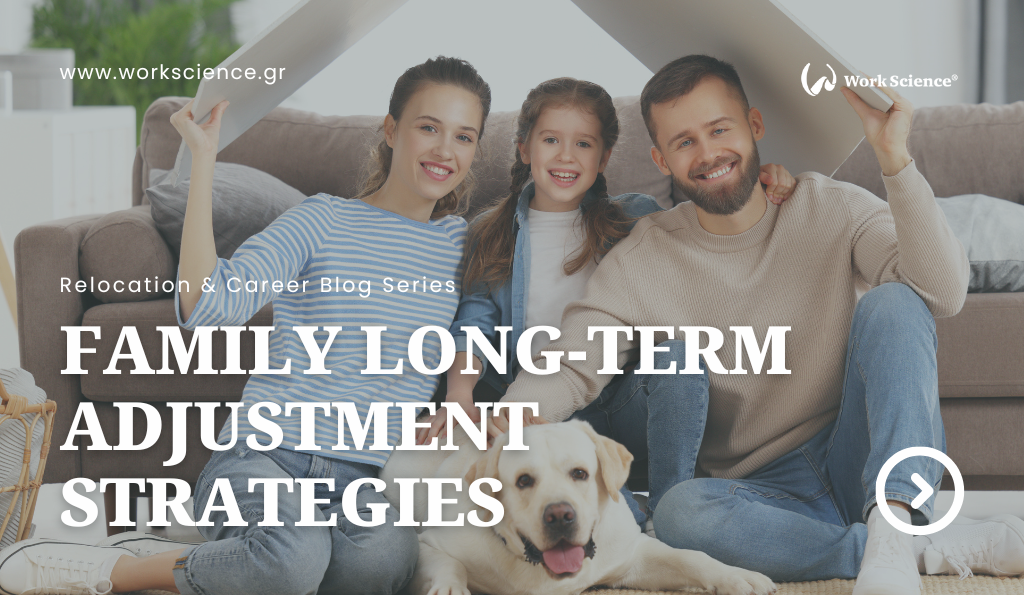
The initial excitement of moving abroad or to a new city is exhilarating—a whirlwind of new faces, places, and possibilities. Orientation programs and welcome events may ease the transition in those first days, but true adjustment is a marathon, not a sprint. For relocating families, the journey extends far beyond learning local customs or navigating a new grocery store. Sustainable, whole-family adjustment requires ongoing strategies that foster belonging, resilience, and happiness long after the novelty has worn off. Here’s how to help every member of your family—young and old—thrive well after orientation day is over.
Disclaimer: Please note that the content of this article is for informational purposes only and not intended to serve as personal career counselling. While our team comprises certified career counsellors, the insights presented are generalised and may not apply to every individual’s unique circumstances. We encourage you to seek personalised career counselling for advice tailored to your own situation.
1. Prioritize Routine and Stability
While flexibility is key during the initial weeks, quickly re-establishing a sense of routine will help both adults and children regain a sense of normalcy. Set consistent mealtimes, bedtimes, and family rituals familiar from your previous home. These routines provide comfort and predictability amidst change, anchoring children and giving parents a sense of control.
2. Create New Family Traditions
Build connection to your new environment by layering in new experiences together. Try local foods, celebrate community holidays, or create your own family outings each week. Over time, these shared rituals become the fabric of your new life, helping everyone form positive associations with your adopted home.
3. Foster Local and Expat Connections
Isolation can creep in after the initial welcome fades. Proactively nurture relationships—both with locals and other expats. Attend school or neighborhood events, join community activities, and encourage kids to participate in sports, clubs, or arts. Adults should also seek professional networks and interest groups. A balanced support system eases cultural barriers and helps the whole family feel rooted.
4. Encourage Open Communication
Transition brings a mix of emotions. Schedule regular check-ins as a family to talk about feelings, challenges, and discoveries. Encourage everyone—even young children—to share both positive and negative experiences without judgment. Active listening and validating each other’s feelings strengthen family bonds and enable early intervention if anyone is struggling.
5. Support Language Development
If your destination involves a new language, make it a fun, shared family project. Enroll in group lessons, practice together at home, or learn through games, TV, and local interactions. As everyone gains confidence, daily life will become easier and more enjoyable—and it’s never too early or late to start.
6. Help Kids (and Teens) Find Their Niche
Children’s adjustment often depends on feeling included and successful outside the family. Encourage them to try various extracurriculars, sports, or volunteering. Involve teens in local youth organizations or international clubs. The more they connect with peers, the more they’ll thrive.
7. Take Care of Parental Wellbeing
Adults often focus on children’s adjustment and neglect their own. Remember to nurture friendships, maintain hobbies, and seek counseling or support if needed. A parent who feels fulfilled and supported is more resilient—and better equipped to care for the whole family.
8. Embrace Patience and Celebrate Progress
Adjustment is seldom linear. Expect setbacks and plateaus as normal. Celebrate small victories—your child’s first local friend, mastering public transport, your first family picnic in a new park. Reflect on how far you’ve come together. Acknowledge growth, and show compassion in tough moments.
Conclusion
Going “beyond the orientation” means understanding that long-term adjustment relies on everyday choices, honest conversations, and a willingness to weave new experiences into old traditions. By prioritizing stability, nurturing social and emotional wellbeing, and celebrating the entire family’s growth, you’ll transform relocation from a transitional challenge into a rich and rewarding new chapter—for everyone.