Arriving First: Should One Parent Relocate and Settle Everything Before Family Arrives?
Share this
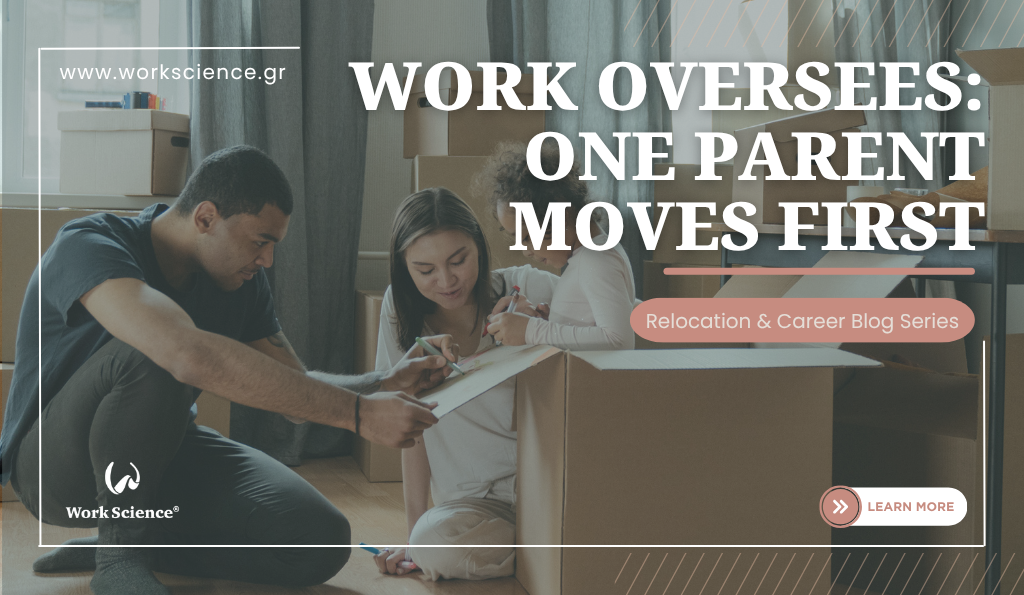
International relocation often comes with a whirlwind of decisions, and one of the most significant is whether the entire family should move together or if one parent should go ahead first. The idea of one parent “scouting” the new location, settling logistics, and smoothing the path for the rest of the family is increasingly popular, but it comes with both benefits and challenges. Is this the right approach for your family? Let’s explore the emotional, practical, and relational considerations to help you make an informed choice.
Disclaimer: Please note that the content of this article is for informational purposes only and not intended to serve as personal career counselling. While our team comprises certified career counsellors, the insights presented are generalised and may not apply to every individual’s unique circumstances. We encourage you to seek personalised career counselling for advice tailored to your own situation.
The Case for Arriving First
Relocating as a unit can seem daunting. Schools must be researched, homes found, everyday life set up—all in an unfamiliar place. By having one parent arrive first, these burdens are somewhat eased:
1. Smoother Logistics
The parent on the ground can secure suitable housing, visit schools in person, handle banking, and set up utilities, often saving money, making faster decisions, and reducing initial stress for the family. Being physically present helps in evaluating neighborhoods, choosing the right area for family needs, and quickly understanding local systems.
2. Cushioned First Impressions
Arriving in a foreign country with routines already organized can ease children’s and spouse’s anxieties. A “settler” parent can stock the fridge, learn transport routes, and translate the essentials of daily life—turning what might be chaos into a softer landing for everyone.
3. Opportunity for Orientation
The first-arriving parent can start building a support network and gather local information, tips, and tricks to pass along. They may be able to spot resources for language classes or extra-curriculars and generally test-drive the new lifestyle before the rest of the family joins.
The Emotional and Family Trade-offs
Despite these logistical upsides, this approach carries emotional and relational challenges. Separation, even if temporary, can be stressful for both the parent abroad and the family at home.
1. The Strain of Separation
Spending weeks or months apart, families often struggle with feelings of loneliness, anxiety, and missing out on shared milestones. Daily routines are disrupted, and communication—hampered by time zones or busy schedules—can leave both parents feeling disconnected.
2. Double Adjustment
Both the solo parent and the stay-behind family must adjust twice: once to separation, and again during the reunion and full move. The relocating parent faces initial integration alone, possibly feeling isolated. Meanwhile, the at-home partner juggles single parenting and emotional load, sometimes leading to frustration or resentment.
3. Child Impact Considerations
If children are old enough to notice, parental absence can be unsettling or misunderstood. They may act out, “fill the gap” with negative behaviors, or feel insecure about future transitions. For young children, routine is paramount, and upheaval can be particularly challenging.
Points to Consider Before Deciding
1. Family Age and Needs
Younger children may require more routine and emotional stability, while older children may be more resilient or invested in school years/timetables. Consider the emotional climate and needs of your children and partner.
2. Work Demands and Flexibility
Will the working parent be too overwhelmed to manage house-hunting or paperwork solo while starting a new job? Can the stay-behind partner handle daily life without support?
3. Community and Support
Is there an extended family or community at the origin and destination for support? If not, going together may be more reassuring.
4. Personal Preferences & Family Dynamics
Don’t underestimate how much each family member’s personality, temperament, and needs matter. For some, the adventure of going together is preferable. For others, a staged approach feels safest.
Making the Right Choice for Your Family
There’s no universal answer; what’s right is what fits your circumstances and relationships best. Open discussion is key—speak honestly about fears, expectations, and hopes. Consider a trial period, and make contingency plans in case the separation is harder (or easier) than expected.
Move forward with empathy, patience, and flexibility. Whether you relocate together or send a “pioneer” ahead, the success of your move depends not just on settling logistics, but on supporting each other through change—as a family that continues to adapt and thrive, no matter the sequence of your journey.