
Digital Portfolios and Personal Branding for Relocators
Share this
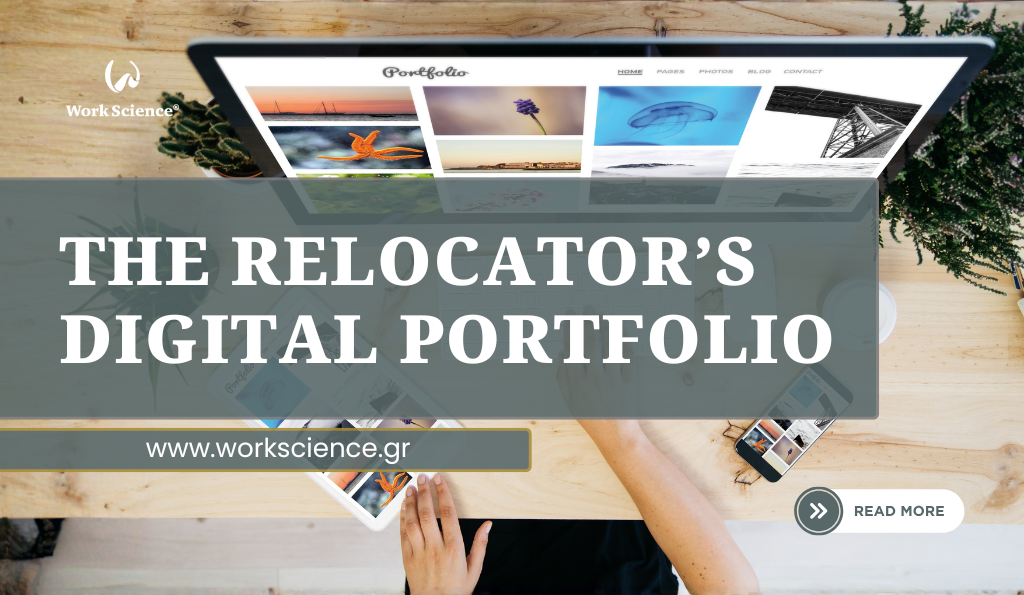
In an age where professional mobility is commonplace, more people than ever are building careers across countries and continents. For “relocators”—individuals embracing new destinations for work—standing out in an unfamiliar job market can be daunting. One of the best ways to gain a competitive edge is through a strong digital portfolio and personal brand. Here’s how to make these tools work for you, wherever you land.
Disclaimer: Please note that the content of this article is for informational purposes only and not intended to serve as personal career counselling. While our team comprises certified career counsellors, the insights presented are generalised and may not apply to every individual’s unique circumstances. We encourage you to seek personalised career counselling for advice tailored to your own situation.
Why Digital Portfolios Matter
A digital portfolio is more than just an online CV. It’s a curated collection of your best work, achievements, testimonials and credentials, all in one accessible, visual space. For professionals moving to a new country, a portfolio can:
- Bridge Gaps of Recognition: Employers and recruiters may not know schools, employers, or organisations from your home country. Concrete examples of your work create credibility.
- Overcome Language Barriers: Well-designed visual and multimedia content speaks universally.
- Showcase Adaptability: A portfolio updated with local touches (recent projects, language skills, testimonials from new markets) shows you’re proactive and quick to integrate.
What to Include in Your Digital Portfolio
1. Professional Bio: Briefly introduce who you are, your values, and what you offer.
2. Showcase Work: Select your best, most relevant projects. Include evidence of outcomes—metrics, before-and-after graphics, or client testimonials.
3. Local Adaptation: Display any work or volunteer roles completed in your new country, even if they seem minor. This signals a commitment to integration.
4. Certifications and Credentials: Make visible any certifications, completed courses, or licenses that are important in your sector, especially if you’ve upskilled since relocating.
5. Contact Information: Ensure your email, LinkedIn, and other professional touchpoints are up to date and easy to find.
Building Your Personal Brand
Your personal brand is the sum of how you present yourself online and offline. For relocators, this is key—your reputation travels with you, and increasingly, precedes you.
1. Define Your Unique Value
What do you bring as a professional and as a newcomer? Consider your international experience, cross-cultural competence, resilience, or fresh perspectives.
2. Be Consistent Across Platforms
Align your messaging and visuals on LinkedIn, personal websites, professional directories, and social media. Consistency builds trust and recognizability.
3. Highlight Your Relocation Story (Strategically)
Sharing your relocation journey can make you memorable—but keep it professional.
- Frame challenges as learning experiences.
- Share “culture add” insights: how your background helps teams innovate or see opportunities differently.
4. Engage Locally and Globally
Don’t just broadcast—interact!
- Join local LinkedIn groups, attend events, and comment on posts related to your new market.
- Connect with other relocators as well as local professionals. Over time, your network will reflect your bridges between cultures.
Digital Branding Do’s and Don’ts for Relocators
- Do: Update portfolio and profiles with new local skills, languages, or experiences.
- Do: Solicit recommendations from former and new colleagues to validate your skills in diverse settings.
- Don’t: Overemphasise “outsider” status—focus instead on adaptability and added value.
- Don’t: Neglect professional etiquette. Research local norms for CVs, personal websites, and online networking.
Leveraging Your Brand for Opportunities
Many opportunities—like freelance gigs, contract work, conferences, or collaborations—start online. Invest in an updated portfolio on platforms like LinkedIn, Behance, or a personal website. Post relevant insights, contribute to discussions, and celebrate new milestones in your host country.
Conclusion
Digital portfolios and thoughtful personal branding empower relocators to break through invisible barriers, be judged by merit, and open doors in their new professional landscape. With the right strategy, your story and skills become not just portable, but powerful—no matter where your career journey takes you.