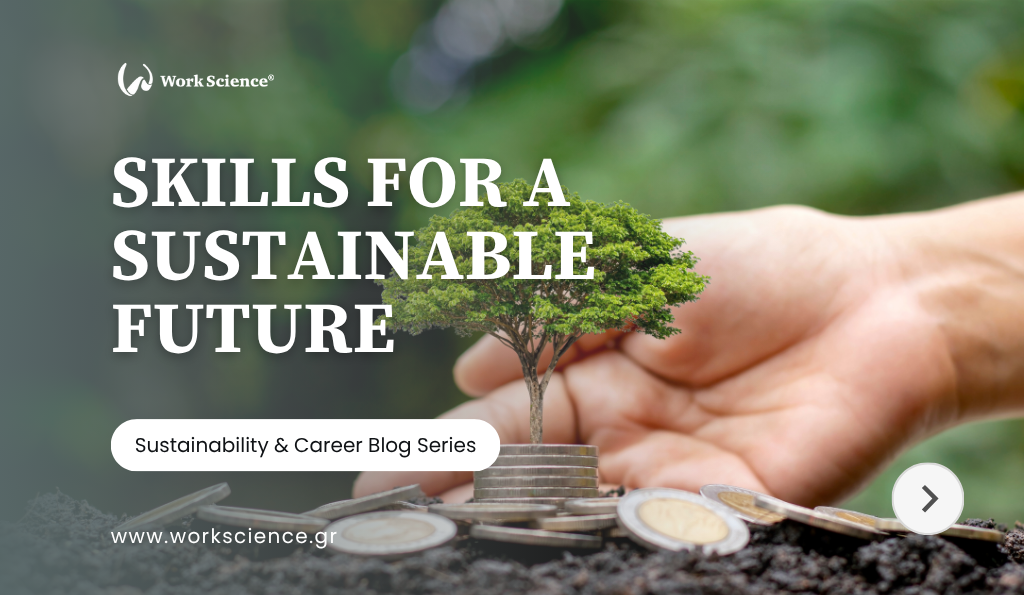
The future of work is being shaped by one powerful driver: sustainability. Climate change, shifting regulations, green technologies and changing consumer expectations are redefining the way businesses operate. And that means they’re also redefining the skills professionals need to succeed. If you want your career to stay future-proof, it’s time to start building capabilities that align with a sustainable economy.
Disclaimer: Please note that the content of this article is for informational purposes only and not intended to serve as personal career counselling. While our team comprises certified career counsellors, the insights presented are generalised and may not apply to every individual’s unique circumstances. We encourage you to seek personalised career counselling for advice tailored to your own situation.
Why Sustainable Skills Matter
Organizations no longer see sustainability as optional. Investors demand it, governments legislate it and customers reward it. Companies that fail to adapt risk losing their competitive edge—and employees without sustainable skills risk being left behind. Sustainable skills aren’t only for environmental scientists or energy engineers. Every role, from finance to HR to marketing, is being reshaped to include sustainability dimensions. The future belongs to those who can connect their expertise with the bigger picture of environmental and social impact.
Core Skills for a Sustainable Future
1. Systems Thinking
Sustainability challenges are complex and interconnected. Systems thinking helps professionals understand how environmental, social and economic factors influence one another. Leaders who see the bigger picture are better equipped to design long-term solutions.
2. Green Literacy
Understanding renewable energy, circular economy principles, ESG reporting and climate risk is becoming a baseline requirement across industries. Even if you’re not in a “green” job, having green literacy shows employers you’re ready to engage with sustainability strategies.
3. Data and Digital Skills
Sustainable transformation relies on data—tracking carbon footprints, measuring social impact and forecasting risks. Skills in data analysis, AI and digital tools allow professionals to turn sustainability goals into measurable results.
4. Collaboration Across Disciplines
Sustainability is never achieved in silos. Professionals must work across departments, industries and even countries to create meaningful change. Strong communication, negotiation and stakeholder engagement are essential.
5. Innovation and Adaptability
The green economy thrives on innovation. Whether it’s designing eco-friendly products, optimizing processes, or launching sustainable services, adaptability and creativity help professionals stay ahead.
6. Ethical Decision-Making
At the heart of sustainability lies responsibility. Leaders who can weigh profit against purpose and make values-driven choices will earn trust and drive long-term success.
How to Build These Skills
- Enroll in courses on ESG, renewable energy, or sustainable business.
- Gain experience through green projects or volunteering.
- Stay updated with global sustainability trends and regulations.
- Develop soft skills—like empathy and resilience—that align with responsible leadership.
Final Thought
A sustainable future will require more than technology and policy—it will require professionals who are ready to think differently, act responsibly and lead change. By developing these skills today, you’re not just securing your career. You’re shaping the future of work and contributing to a healthier planet. The question is: are you ready to skill up for sustainability?